

Groundwater levels remain low across parts of Central Virginia
Fluvanna Review Staff
Recent rainfall has brought some relief to drought-stricken Central Virginia, but groundwater levels and streamflows remain below normal in parts of the region–raising questions about how quickly the area can recover from months of dry conditions.
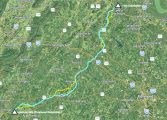
Fluvanna County, part of the Middle James drought evaluation region, remains under a drought warning, according to the Virginia Drought Monitoring Task Force’s Oct. 6 report.
The report was issued just before rainfall associated with the remnants of Hurricane Isaias moved through the region over the weekend. Charlottesville and areas to the west saw rainfall totals of around 3 inches, while a gauge in Scottsville registered 1.5 inches during the period.
That additional precipitation could improve conditions, but the region still shows signs of prolonged dryness.
According to the Oct. 6 report, precipitation in the Middle James region during the recently completed water year reached just 75.18% of normal. Streamflow was also below normal, measuring at the 17th percentile for the seven-day period ending Oct. 5.
Groundwater levels remain a particular concern.
One of the two groundwater monitoring wells used to evaluate conditions in the Middle James region, located in Buckingham County, was at just the 6.57th percentile for its historical measurements, placing it in drought warning status. The other, in Colonial Heights, was within the normal range.
The distinction between recent rainfall and groundwater recovery is important: rain can quickly improve surface soil moisture and temporarily raise stream levels, but replenishing underground water supplies often takes much longer.
Groundwater helps sustain streams and rivers during dry periods, a process known as baseflow. When groundwater levels are depleted, streamflows may remain low even after precipitation returns to more normal levels.
The task force noted that below-normal streamflows persist in several parts of Central Virginia, likely because of low groundwater and baseflow conditions.
But there are some encouraging signs.
The report found that recent precipitation had improved soil moisture across much of Virginia, although deeper soils remained unusually dry in some areas. Reservoirs used to monitor drought conditions in the Middle James region were also within their normal operating ranges.
The new rainfall comes as Virginia begins its 2027 water year, which started Oct. 1.
Unlike the calendar year, the water year runs from Oct. 1 through Sept. 30, allowing scientists to track precipitation and water supplies through the fall and winter recharge period and into the following summer.
Virginia ended the 2026 water year with a statewide average precipitation deficit of 9.7 inches, according to the Department of Environmental Quality.
The National Weather Service’s seasonal outlook offers some reason for optimism, with above-normal precipitation favored across Virginia through the end of the year. A developing El Niño pattern could bring additional moisture in fall and winter.